What an AI product photo generator actually does
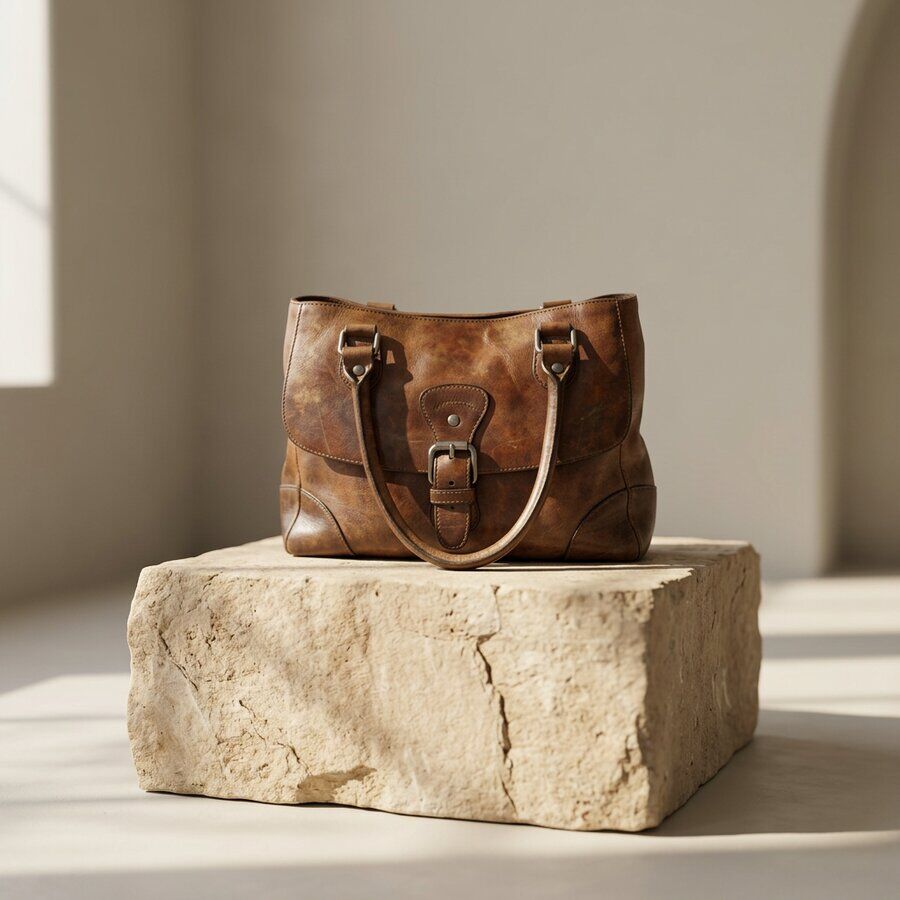
A product photo generator takes the image you already have and re-renders the scene around your item: it replaces the cluttered background, evens out the lighting, adds a soft natural shadow and stages the shot the way a catalog would. The item itself is preserved — the same shape, colour, material, wear and branding — so buyers see the real thing, just presented properly.
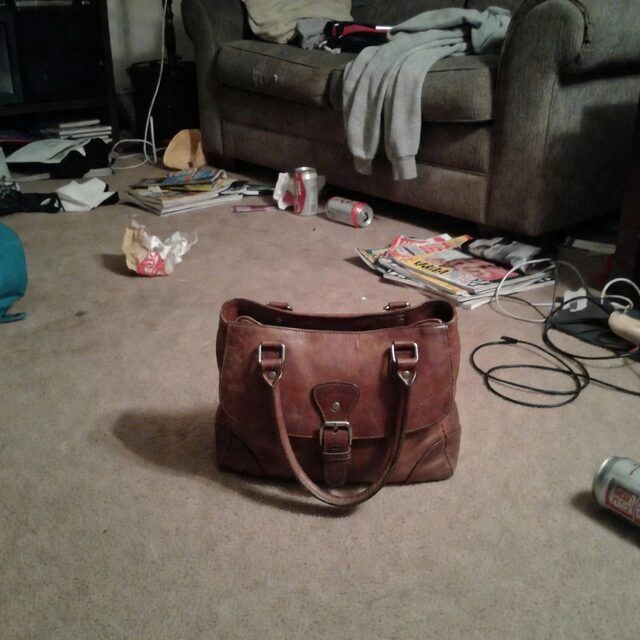
That matters because on resale platforms the photo is the ad. A grey bedsheet backdrop, a hand in the frame or a dim kitchen counter quietly tells shoppers "amateur, negotiable, probably a hassle." A crisp, well-lit shot on a neutral background reads "cared for, worth the price." You're not changing the item — you're removing the distractions that make people scroll past it.
From phone snap to product shot in three steps
- Snap your item. Any phone photo works — messy background, bad lighting, none of it matters. Lay the item flat or stand it up so it's fully in frame.
- Pick a style. Choose the category that fits — clothing flat-lay, jewelry macro, a staged room for furniture, clean white for electronics, and ten more. Each has its own photo treatment tuned to how that category sells.
- Copy, paste, sell. You get the studio image plus a title, description, price range and tags. Download the clean, watermark-free photo and post it anywhere.
A product photo editor built for reselling, not design
Most "product photo editor online" tools assume you're a brand with a studio, a mannequin and a designer. Listly assumes the opposite: you have a phone, a pile of things to sell, and about a minute per item. There's no canvas, no layers, no learning curve. Upload, tap a style, done. It's the same reason it works on a whole box of clutter as easily as on one hero piece.
It also handles the categories individual sellers actually list: clothes, shoes and bags, watches and jewelry, furniture, toys, books, plants, sports gear, vintage and collectibles. Each style keeps the details buyers care about — the patina on a vintage piece, the exact dial on a watch, the true colour of a dress — rather than "cleaning them up" into something that no longer matches the item.
Honest by design. Listly restyles the scene, not the product. It won't erase damage, invent a brand or make a worn item look new — and it shouldn't. Always give the result a quick look before posting, the same as you would any photo, and describe condition truthfully.
Why studio photos from your phone beat a real light box
A physical lightbox setup costs money, takes up space and still needs decent lighting and editing to look good. For a reseller listing dozens of items, the maths never works. An AI product photo generator gives you consistent, catalog-grade images across your entire inventory without any of that — the tenth item looks as polished as the first, and they all match. Consistency is its own selling signal: a feed of clean, uniform shots looks like a real shop, and shops get trusted.
It's more than a photo — it's the whole listing
Presentation is only half the sale. Listly pairs every image with a keyword-rich title, a buyer-ready description, a realistic price range and a set of search tags — all written from what's visible in your photo. So instead of a photo tool and a copywriting tool and a pricing guess, it's one step that hands you a ready-to-post listing.